Young Onset Dementia Awareness Day – 24th October 2026
- Posted on
- Barrowhill Hall
“Don’t be embarrassed to ask for help”: Wendy shares her experience of young-onset dementia
Wendy Burton is encouraging other families affected by young-onset dementia to seek support as early as possible. Her advice comes as she reflects on caring for her late husband for over a decade.
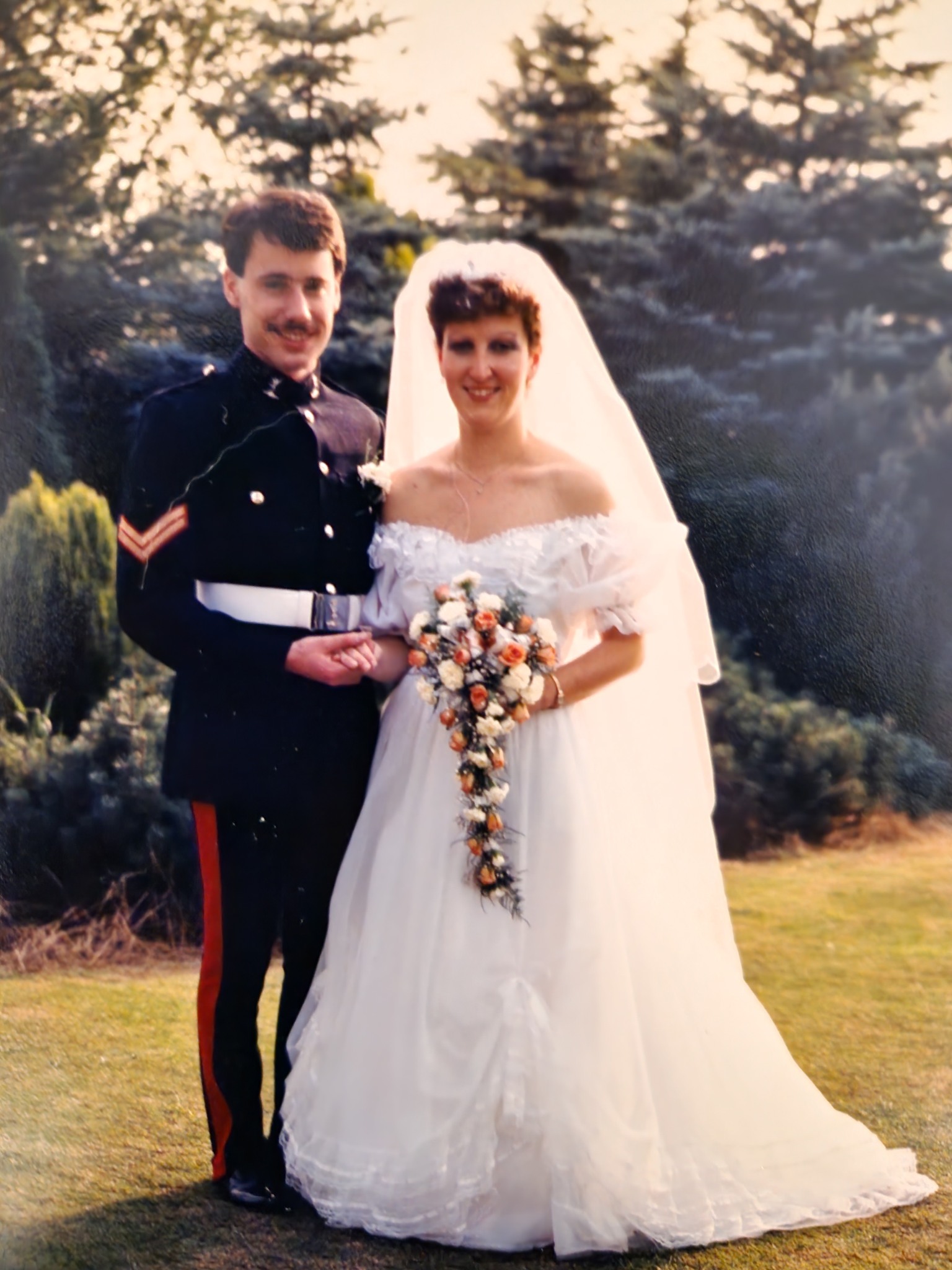
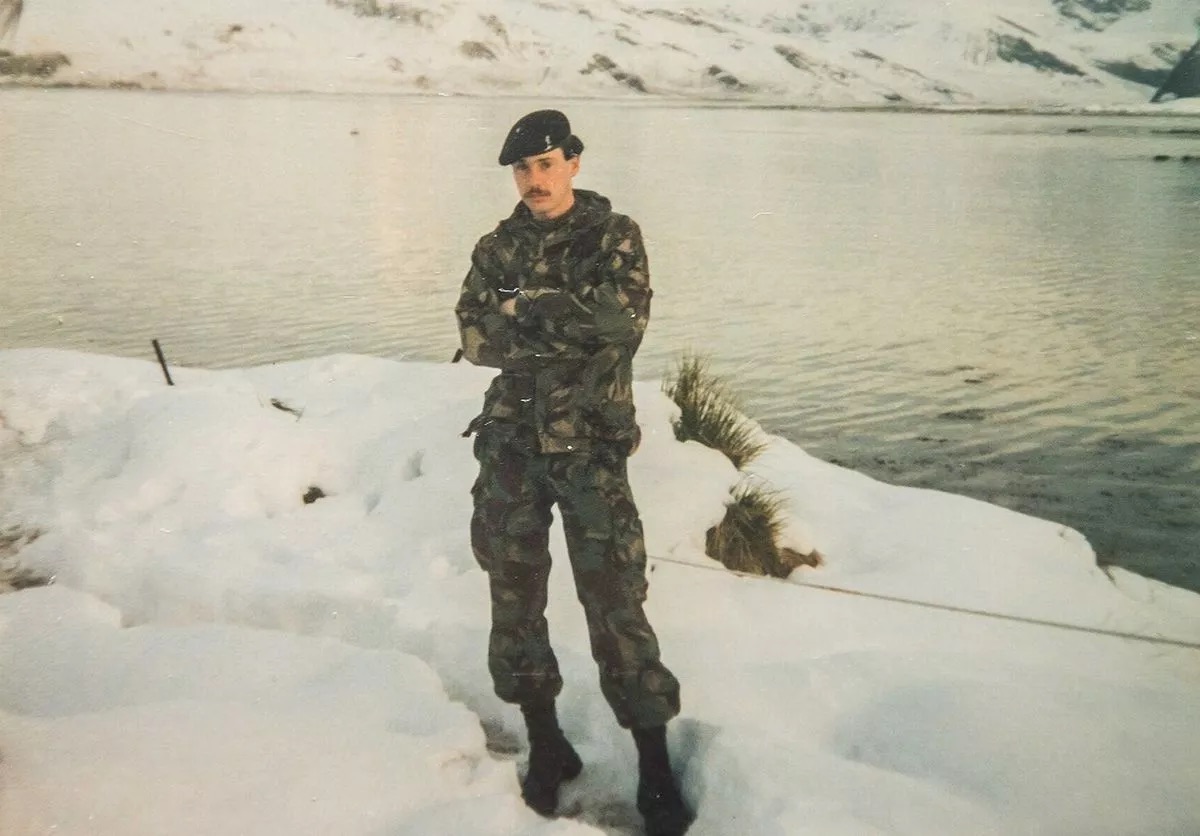
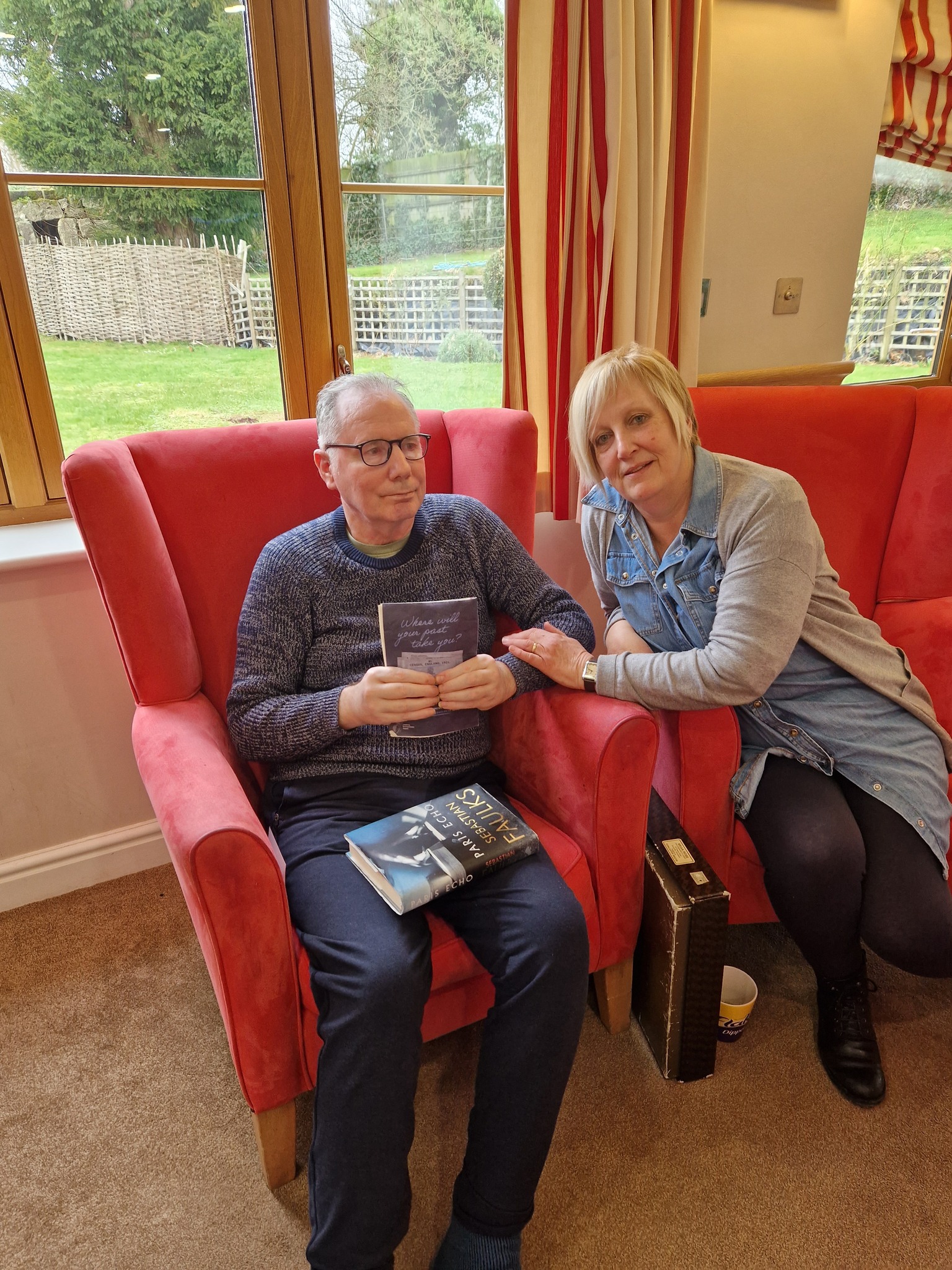
Wendy Burton’s husband, Ian, was diagnosed with frontotemporal dementia following symptoms which began as he approached his 50th birthday. A former soldier, Ian lived at Barrowhill Hall, our 74-bedroom residential and nursing home on the Derbyshire/Staffordshire border, for ten years. Sadly, Ian passed away on 12 September.
“My advice to anyone with a diagnosis of dementia before the age of 65 is to actively seek help from professional support services, including carer support, as soon as you can,” Wendy said. “A diagnosis at any age is very difficult and challenging for the person themselves and for family and friends, but when that person is younger the impact is dramatic. It can involve a young family, the loss of a career and income, financial challenges and a very uncertain future, with many plans for retirement wiped out.”
Ian initially lived at Churnet Lodge, a separate household at Barrowhill Hall tailored specifically for people living with young-onset dementia, which is diagnosed when symptoms develop before the age of 65. Care needs and the impact on individuals and families can be very different from those associated with dementia diagnosed later in life.
According to Dementia UK, an estimated 70,800 people in the UK are living with young-onset dementia. The charity also reports that the average time to diagnosis is 4.4 years for younger people, compared with 2.2 years for those diagnosed over the age of 65.
Since Ian’s diagnosis, Wendy became his carer and has dedicated time to raising awareness of rarer forms of dementia. She encourages families to put practical arrangements in place early, including making a will and setting up powers of attorney for health and welfare and for financial matters.
“Speak to a solicitor if you own your own home to change the tenancy, and you may be eligible for discounts with utility companies and Personal Independence Payment (PIP),” she advised.
“You may also be able to get discounts through a Carers Card for days out. It’s important to get out and about. If everything is put in place early, you can then go on living and enjoying special times.”
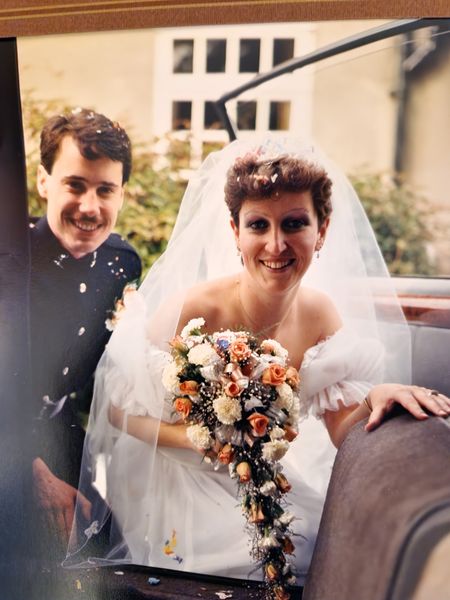
Ian left the 30 Signal Regiment in 2006 after 22 years of service and went on to become a technical support worker for Derbyshire police. As he approached his 50th birthday, signs of his condition began to emerge, and he was medically retired following his diagnosis.
“Finding a care home for someone under the age of 65 can be very challenging,” Wendy said. “When Ian needed to move into full-time care, we were lucky. Churnet Lodge, part of Barrowhill Hall, had just opened as a specialist household for young-onset dementia. The team were able to support Ian through all the changes in his care as his dementia progressed. They were a pillar of support, and I could always turn to them for information too.”
Churnet Lodge was designed around the needs of younger people living with dementia, with activities suited to their interests, modern surroundings and wide corridors for residents who may be more mobile. The team also supported residents’ loved ones, helping families remain involved as care needs changed. As Ian’s needs progressed, he moved into the main building to be closer to the nursing team.
Wendy hopes greater awareness will help people understand that dementia affects individuals in different ways and is not simply a condition associated with older age or memory loss.
“My aim is for people to ask what type of dementia someone has, as opposed to assuming it’s Alzheimer’s,” she said. “Dementia doesn’t just affect older people, and it isn’t just about memory loss – it can affect people differently. The greater the awareness, the better the support can be.”
When Ian was diagnosed, Wendy read as much as she could to understand his condition and help their three daughters learn how to support him and one another.
“I wasn’t someone who liked going to groups, but I took myself out of my comfort zone and attended specialist groups for young-onset dementia. I can honestly say it was the best thing I did. That peer support is invaluable.”
She explained how frontotemporal dementia had affected Ian in ways she had not initially expected.
“Everyone thinks that with dementia somebody loses their memory and that’s the main thing, but with frontotemporal dementia that’s very often the last thing to go. For Ian, it started with changes in character and wandering off from his workplace. When he had his first memory test, he scored 29 out of 30.”
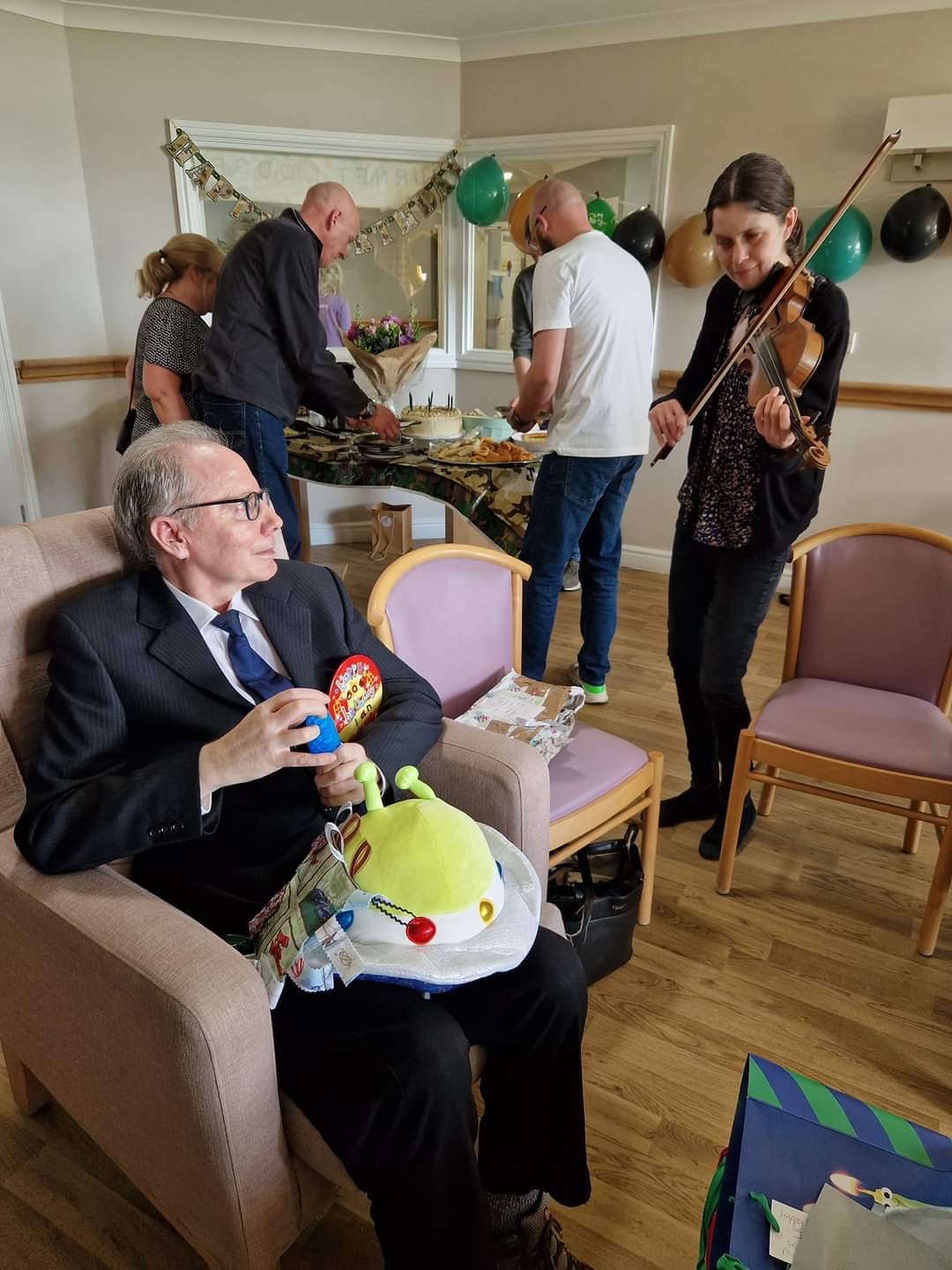
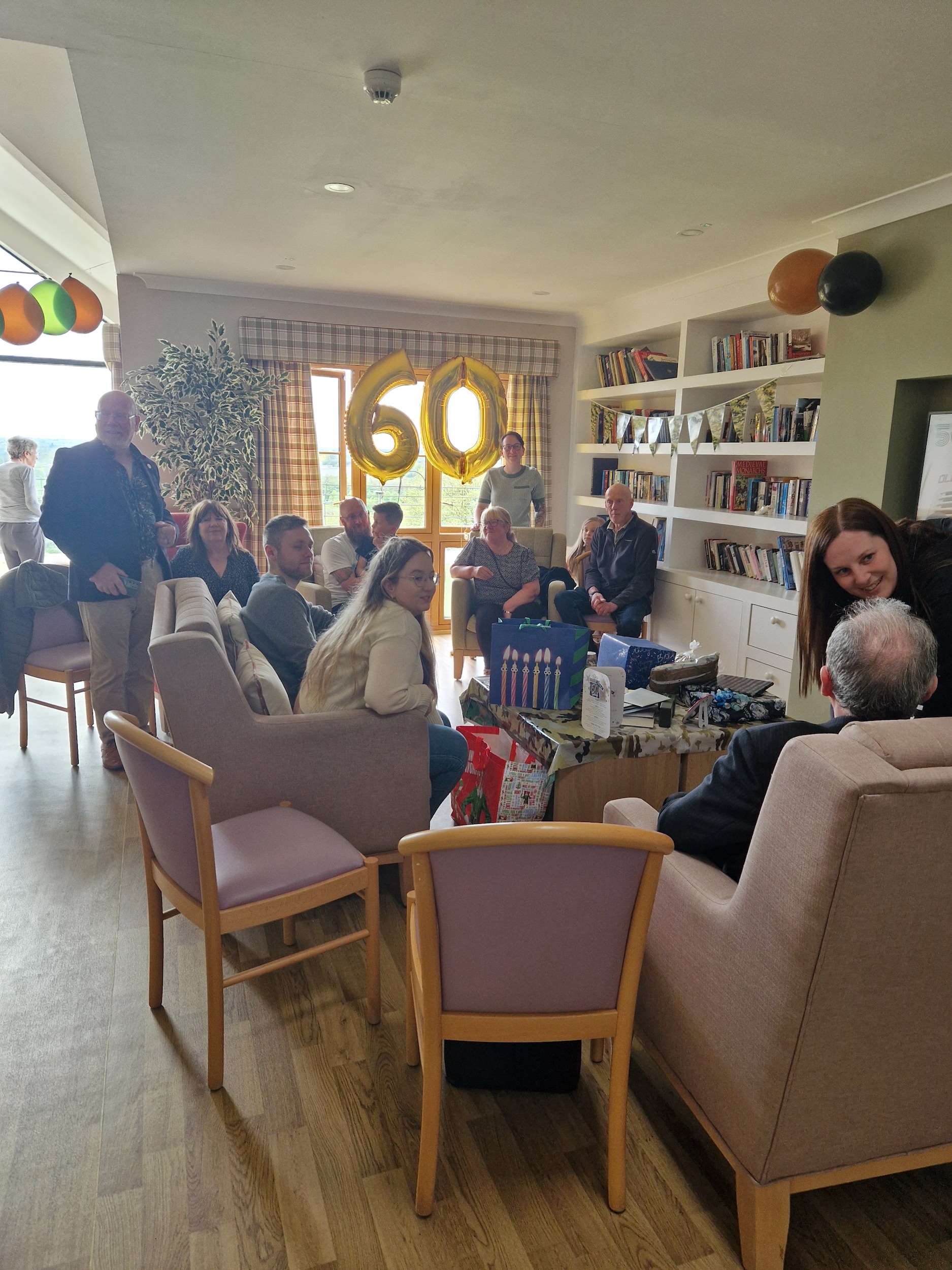
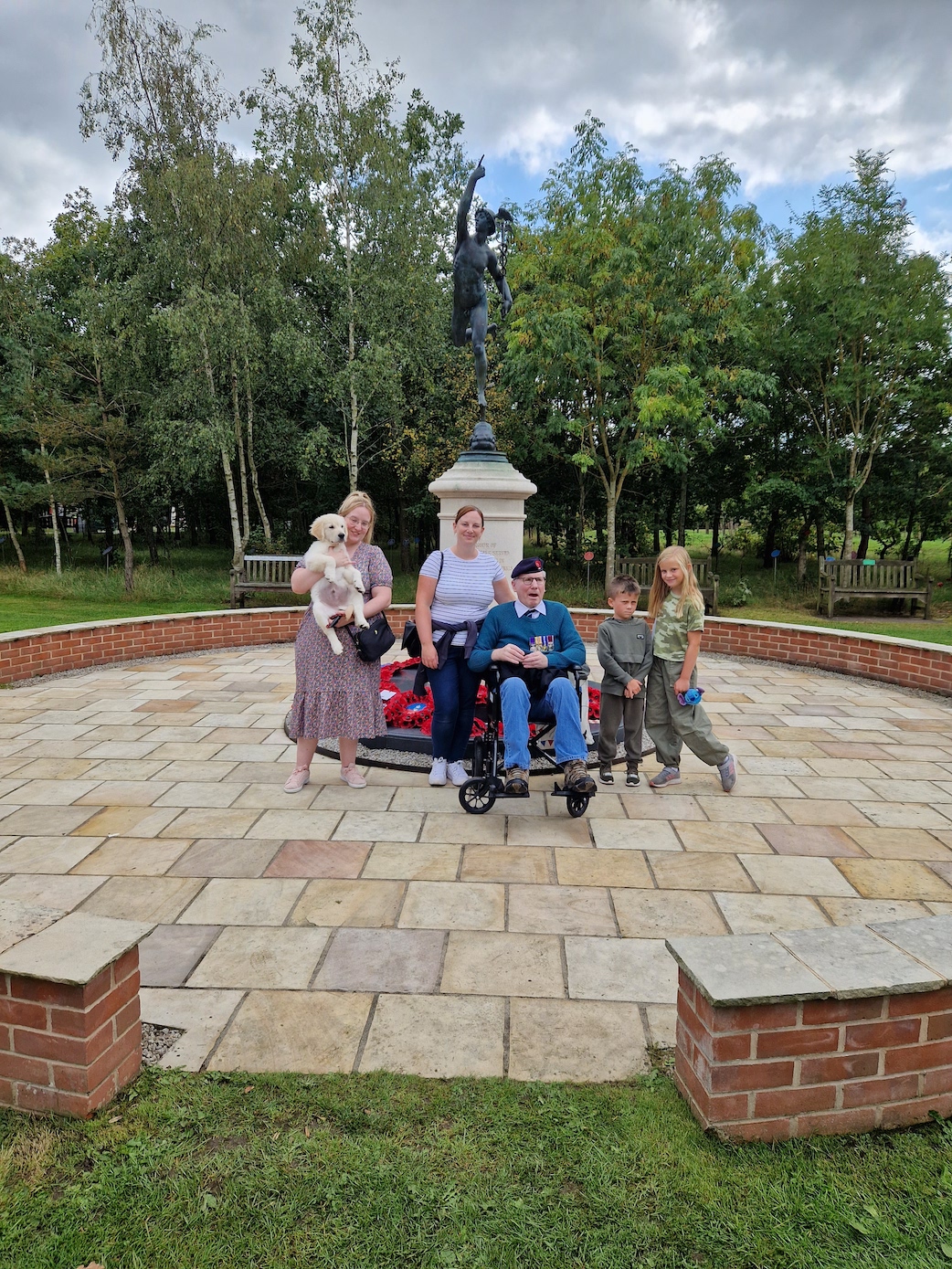
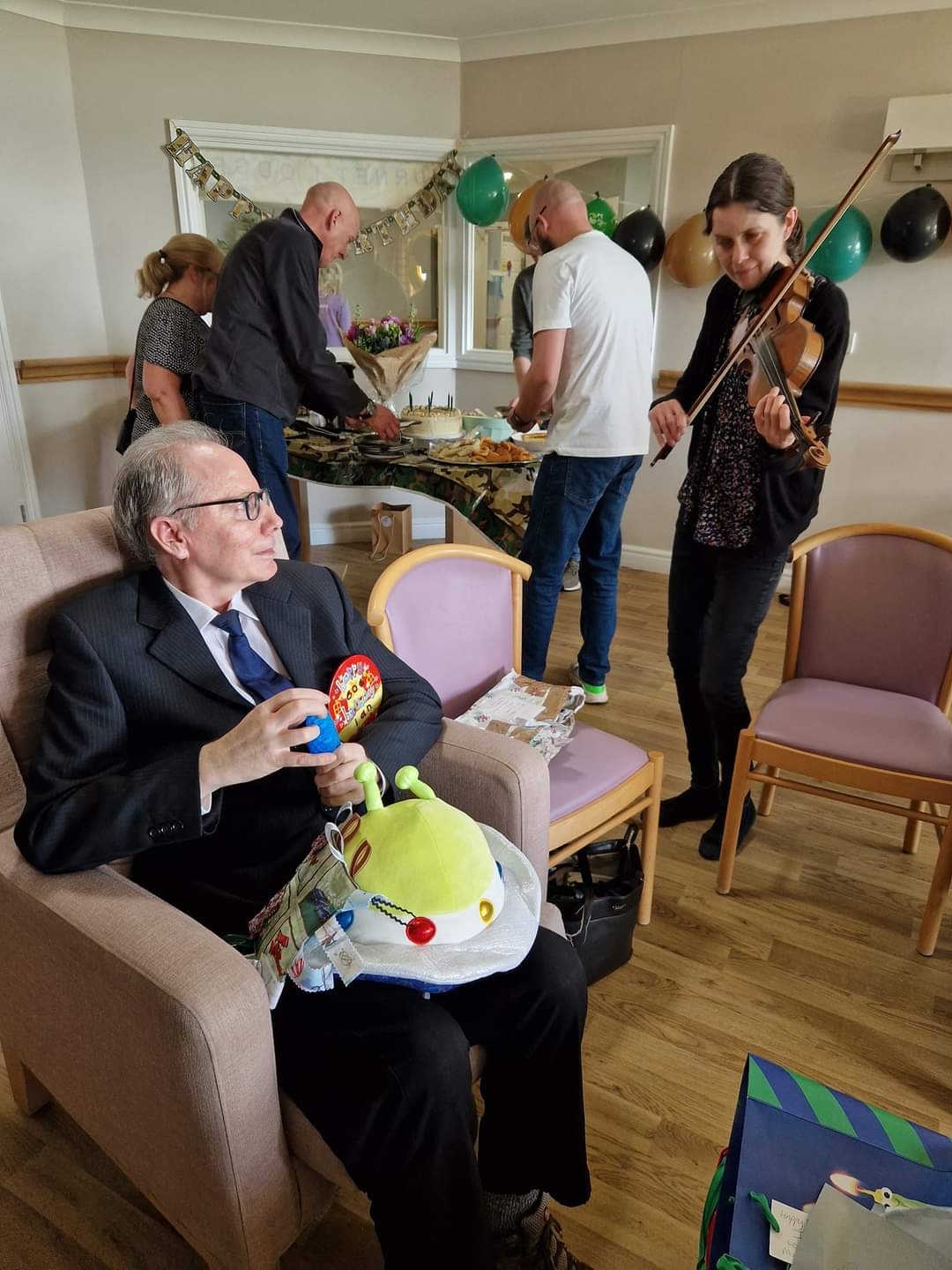
During Ian’s time at Barrowhill Hall, our team loved nothing more than to help Wendy and their family make special memories together, from celebrating Ian’s 60th birthday with a party to arranging trips out, live entertainment and animal visits.
Barrowhill Hall care home manager Dania Meadows said: “It’s devastating to see the person you love change in front of you. A diagnosis can come at a time when people are at the peak of their careers or making plans for the future, when dementia may be the last thing they expect.
“Education around dementia is incredibly important, and people like Wendy play a vital role in raising awareness. It was a privilege to care for Ian during his time here and to support him as his needs changed.
“We aim to provide the best possible care for our residents and reassurance for their families, helping to ease some of the worries and challenges that can come with a dementia diagnosis. Supporting families is an important part of that care.”